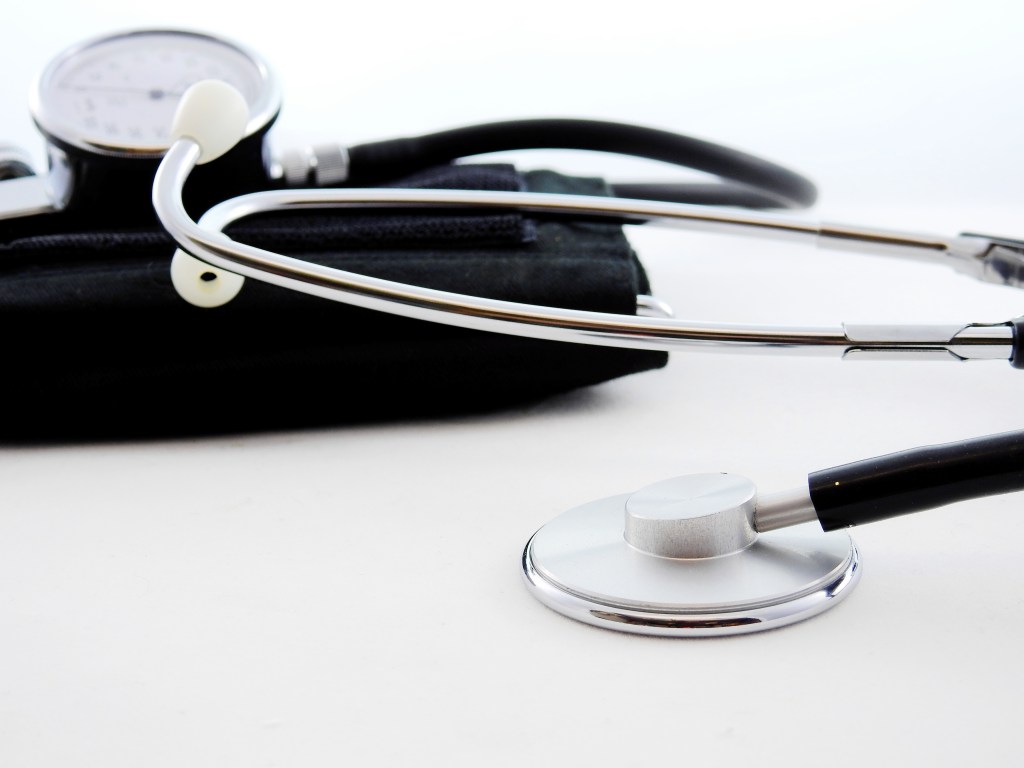
When was the last time you had your blood pressure checked?
If you’re like a lot of people, your answer might be, “I don’t remember,” or “The last time I went to the doctor.”
The truth is, many people don’t think about their blood pressure because they feel fine. If nothing hurts and you’re able to go about your day, it’s easy to assume everything is okay. But that’s exactly what makes high blood pressure so dangerous.
High blood pressure, also called hypertension, is often known as the “silent killer.” That sounds dramatic, but there’s a reason it’s earned that nickname. Most people don’t have any obvious symptoms. You can feel completely healthy while your heart and blood vessels are working much harder than they should be.
That’s why so many people don’t realize they have it until it’s discovered during a routine checkup or after it has already caused serious health problems.
You might be wondering, “If I don’t feel sick, why should I worry about it?”
Think of it this way. Imagine driving your car every day with the engine working harder than it’s supposed to. At first, you probably wouldn’t notice anything wrong. The car would still get you where you need to go. But over time, all that extra strain could lead to expensive repairs or even cause the engine to fail.
Our bodies work in a similar way. When your blood pressure stays high for a long time, it puts extra stress on your heart and blood vessels. Over the years, that can increase your risk of heart disease, stroke, kidney disease, and other serious health conditions.
The good news is that checking your blood pressure is quick, painless, and could make a huge difference in your health.
Many pharmacies, community health fairs, and healthcare clinics offer free or low-cost blood pressure screenings. If it’s been a while since you’ve had yours checked, consider making it part of your routine, just like getting your teeth cleaned or having your vision checked.
If your blood pressure is higher than normal, don’t panic. A single high reading doesn’t necessarily mean you have hypertension. Your healthcare provider may recommend checking it again over time to see if it stays elevated. The important thing is knowing your numbers so you can take action if needed.
There are also small changes that can make a big impact. Eating more fruits and vegetables, reducing sodium, staying physically active, getting enough sleep, managing stress, and avoiding tobacco products can all help support healthy blood pressure. Sometimes lifestyle changes are enough, and sometimes medication is needed. Every person’s situation is different, and that’s okay.
One thing I hope you take away from this is that prevention doesn’t have to be complicated.
You don’t have to wait until something feels wrong to take care of your health. In fact, some of the best things we can do for ourselves happen long before we ever feel sick.
So here’s my challenge for you: if you don’t know your blood pressure, make it a goal to find out this month. It only takes a few minutes, but those few minutes could give you valuable information about your health.
Community health isn’t just about hospitals or doctors’ offices. It’s about helping people stay healthy before problems become emergencies. Sometimes, that starts with something as simple as rolling up your sleeve and checking your blood pressure.
Take care of yourself, you only get one heart.


Leave a Reply