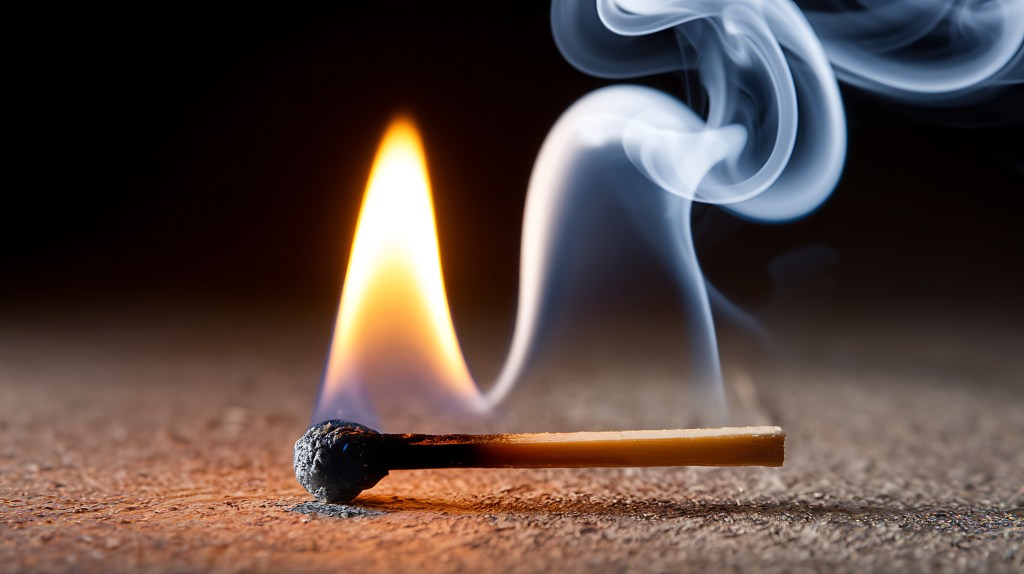
Life can get busy. Between work, school, family responsibilities, and trying to make time for ourselves, it’s easy to ignore the signs that we’re running on empty. Many people believe burnout happens overnight, but in reality, it often develops gradually. Recognizing the early warning signs can help you take action before burnout begins to affect your physical and mental well-being.
What Is Burnout?
Burnout is a state of emotional, physical, and mental exhaustion caused by prolonged stress. While it is commonly associated with work, burnout can also affect students, caregivers, parents, and anyone facing ongoing demands without enough time to recover.
Burnout isn’t simply having a bad day or feeling tired after a busy week. It’s a persistent feeling of being overwhelmed, emotionally drained, and unable to function at your usual level.
Early Warning Signs of Burnout
One of the first signs is constant exhaustion. Even after getting a full night’s sleep, you may still feel tired or struggle to find the energy to complete everyday tasks.
Another common sign is losing motivation. Activities you once enjoyed may begin to feel like obligations, and it may become harder to stay focused or productive.
Burnout can also affect your emotions. You might notice increased irritability, frustration, anxiety, or feeling emotionally numb. Small inconveniences may suddenly feel overwhelming.
Physical symptoms are also common. Frequent headaches, muscle tension, stomach problems, changes in appetite, or difficulty sleeping can all be signs that chronic stress is taking a toll on your body.
You may also begin withdrawing from friends, family, or coworkers. Avoiding social interactions or feeling disconnected from others can be another indicator that you’re experiencing burnout.
Why Burnout Matters
Burnout doesn’t just affect your mood; it can impact nearly every part of your life. Left unaddressed, it can contribute to anxiety, depression, difficulty concentrating, strained relationships, and reduced performance at work or school. It may also increase your risk of developing chronic health problems if stress continues over a long period.
Recognizing burnout early gives you the opportunity to make changes before it becomes more difficult to recover.
What You Can Do
If you’re beginning to notice signs of burnout, there are small steps you can take to support your well-being.
- Prioritize sleep and aim for a consistent sleep schedule.
- Take regular breaks during work or study sessions.
- Set healthy boundaries and learn to say no when your schedule becomes overwhelming.
- Stay physically active, even if it’s just a short walk each day.
- Eat balanced meals and stay hydrated.
- Make time for activities that help you relax and recharge.
- Stay connected with friends, family, or people you trust.
- Talk to a healthcare provider or mental health professional if stress begins interfering with your daily life.
Remember that self-care isn’t selfish … it’s an important part of maintaining your overall health.
Burnout in Healthcare
Healthcare professionals are especially vulnerable to burnout because of long hours, emotionally demanding situations, and the responsibility of caring for others. Many providers dedicate themselves to helping patients but forget to care for themselves along the way.
Supporting the well-being of healthcare workers is essential not only for their own health but also for maintaining high-quality patient care. Healthy healthcare professionals are better equipped to provide compassionate, safe, and effective care to their communities.
Final Thoughts
Burnout is more common than many people realize, and it doesn’t mean you’ve failed or aren’t strong enough. It simply means your mind and body have been under stress for too long without enough opportunity to recover.
Learning to recognize the warning signs early is one of the most important steps you can take to protect your health. Whether you’re a student, healthcare worker, parent, or someone balancing many responsibilities, remember that your well-being matters. Taking time to rest, ask for support, and care for yourself isn’t a sign of weakness, it’s an investment in your long-term health.
The healthier we are as individuals, the stronger and healthier our communities become.


Leave a Reply