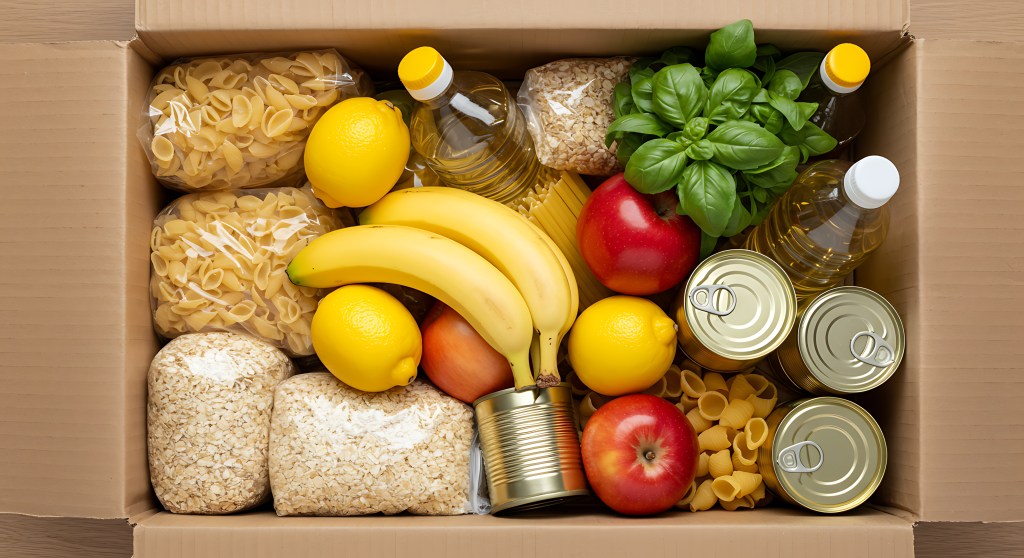
Food insecurity is a challenge that affects many individuals and families in our community. Whether someone is facing an unexpected job loss, rising grocery costs, a medical emergency, or simply needs extra support, it’s important to know that help is available.
One of the goals of community health is to connect people with resources that improve their well-being. Access to nutritious food is one of the most basic needs for maintaining good health, and no one should have to choose between paying bills and putting food on the table.
If you or someone you know needs food assistance, Benton and Franklin Counties offer several programs and organizations dedicated to helping community members.
Local Food Assistance Resources
Tri-Cities Food Bank
Tri-Cities Food Bank serves residents in the Kennewick area by providing groceries to individuals and families experiencing food insecurity. The organization also partners with other community agencies to help ensure residents have access to nutritious food throughout the year.
St. Vincent de Paul Food Bank
St. Vincent de Paul Food Bank in Pasco provides food assistance to individuals and families in need. Volunteers work throughout the year to distribute groceries and support members of the community during difficult times.
Pasco Community Services Food Distribution Center
Pasco Community Services – Food Distribution Center offers regular food distribution events for eligible community members. These distributions help supplement household groceries with fresh and shelf-stable food items.
The Salvation Army Tri-Cities
The Salvation Army Tri-Cities provides food assistance along with emergency services, utility assistance, and other programs that help individuals and families experiencing financial hardship.
Community Action Connections
Community Action Connections connects residents with a variety of services, including emergency assistance, food resources, housing support, and referrals to additional community programs.
Statewide Food Programs
Washington also offers several nutrition assistance programs that can provide ongoing support.
- Basic Food (SNAP): Helps eligible households purchase groceries each month.
- Women, Infants, and Children (WIC): Provides nutritious foods, nutrition education, breastfeeding support, and healthcare referrals for pregnant individuals, new parents, infants, and young children.
- Emergency Food Assistance Program (EFAP): Offers free food through local food banks and pantries. In Washington, individuals can receive food from participating EFAP pantries by self-declaring that they need assistance; no documentation is required.
Why Food Security Matters
Food is more than just nourishment; it is a key part of overall health. Limited access to healthy food can increase the risk of chronic diseases, affect children’s growth and development, make it harder to manage existing health conditions, and contribute to stress and anxiety.
Community health isn’t only about treating illness. It’s about ensuring people have access to the resources they need to live healthy, productive lives. Food assistance programs help strengthen our communities by supporting families during difficult times and reducing barriers to good health.
You Can Make a Difference
Even if you don’t currently need assistance, you can help support these organizations by:
- Donating nonperishable food items.
- Volunteering at a local food bank or distribution event.
- Organizing a community food drive.
- Sharing information about available resources with friends, family, or neighbors.
- Making monetary donations when possible, allowing organizations to purchase the foods most needed.
Final Thoughts
As someone studying community health, I’ve learned that one of the most powerful ways we can support one another is by connecting people with resources they may not know exist. Asking for help is never a sign of weakness; it’s a step toward stability and better health.
If you or someone you know is experiencing food insecurity, remember that our community has organizations ready to help. No one should have to face hunger alone, and together we can build a healthier, more compassionate community.
 Community Health Compass
Leave a comment